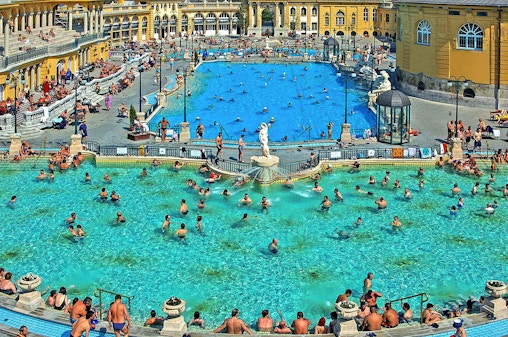
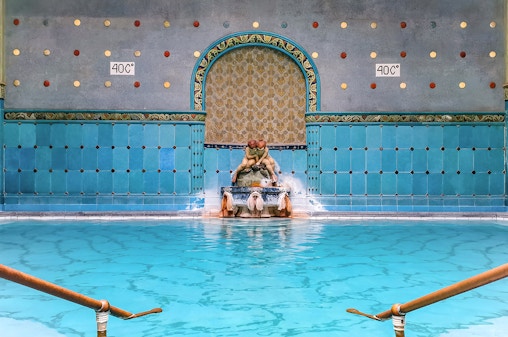
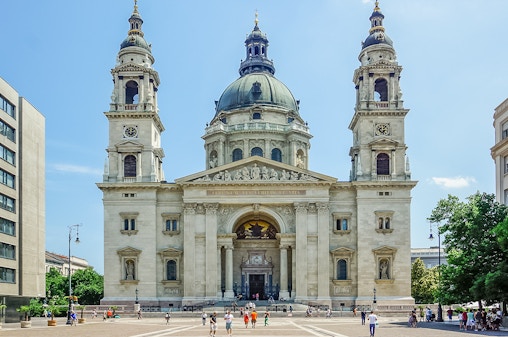
Steam rises from Széchenyi’s outdoor pools as Budapest wakes to January’s chill, with temperatures between –1°C and 4°C and sunrise around 07:30. Carnival season begins after Epiphany, bringing fánk (Hungarian doughnuts) to bakeries and the Fény Street Market pig festival to Buda. Parliament and Buda Castle are blissfully queue-free, and hotel rates are at their lowest. Occasional snow dusts the city, and Danube fog can obscure river views, but the atmosphere in thermal baths is unmatched—this is the time to soak, sip mulled wine, and enjoy the city’s quieter side.
Pro tips for visiting Budapest in January
• Book thermal bath sessions at Széchenyi or Gellért for weekends, as locals flock to soak in the cold. • Head to Parliament and Buda Castle on weekday mornings for zero queues and quieter halls. • Reserve a table at a traditional kifőzde for hearty stews—winter menus feature kocsonya and goulash. • Avoid Danube river cruises on foggy days; visibility is often low and views are limited. • Go early to the Fény Street Market pig festival for fresh sausage and live butchery demos. • Choose hotels in Pest for easier access to indoor attractions and better winter transport links. • Skip open-air ruin bars after midnight—indoor venues are warmer and more atmospheric. • Book tickets for Carnival events and Mangalica Festival in advance for the best seats and tastings.
What to eat in Budapest in January: Seasonal delicacies
1/5
Forralt bor (mulled wine)
January suits hot spiced wine from market stalls, warm after Danube walks. Pair with kürtőskalács at night.