The Hungarian Parliament is a true product of national pride as its construction used a staggering 40 million bricks! This incredible number reflects the scale of the project, the immense effort poured into creating this architectural symbol, and the involvement of a vast Hungarian workforce. The building also boasts half a million precious stones and 40 kilograms of 22 and 23-carat gold.
Interesting Hungarian Parliament Facts You Didn't Know
Budapest's Hungarian Parliament Building is a neo-Gothic masterpiece, symbolizing Hungary's sovereignty and rich heritage. Built in the late 19th century, it houses the National Assembly and boasts spectacular views of the Danube River. Before you embark on your journey to the majestic landmark in Budapest, let’s delve into some fascinating Budapest Parliament facts that will enrich your visit and deepen your appreciation for this iconic building.
12 interesting Hungarian Parliament facts
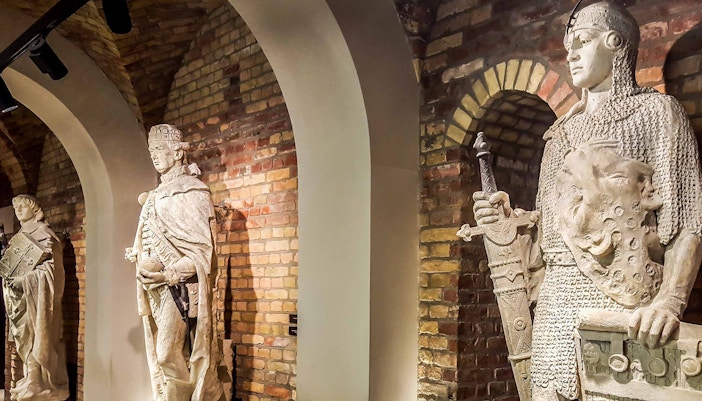
The Hungarian Parliament is made of 40 million bricks!
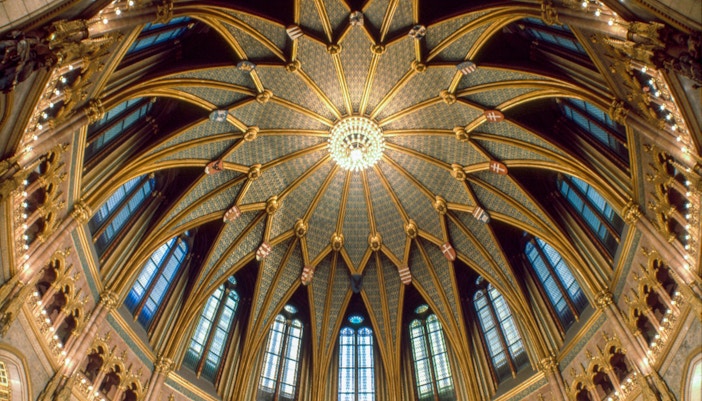
The building has a blend of various architural styles.
Though the Hungarian Parliament stuns with its neo-Gothic grandeur, its design incorporates elements from other architectural styles. Influences of Renaissance and Baroque styles can be found throughout the building. This fusion reflects Hungary's desire to be seen as a modern European nation while drawing upon its rich architectural heritage.
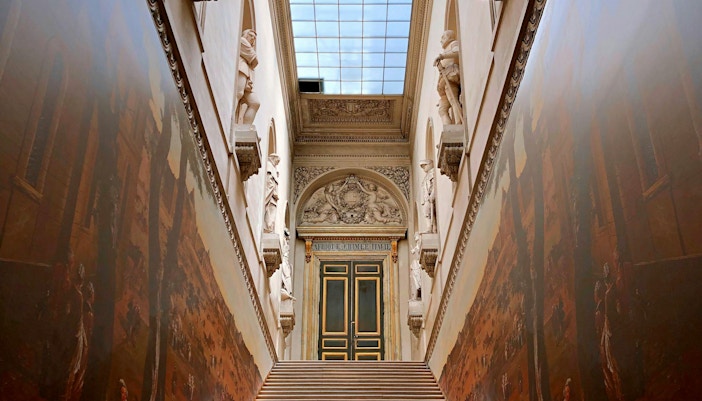
The Parliament guarded a national treasure during World War II!
During the tumultuous times of World War II, the Hungarian Parliament played a crucial role in safeguarding Hungary's cultural heritage. The building secretly housed the Hungarian Crown Jewels, a collection of inestimable historical and symbolic value. This act highlights the Parliament's role as a protector of Hungary's national treasures.
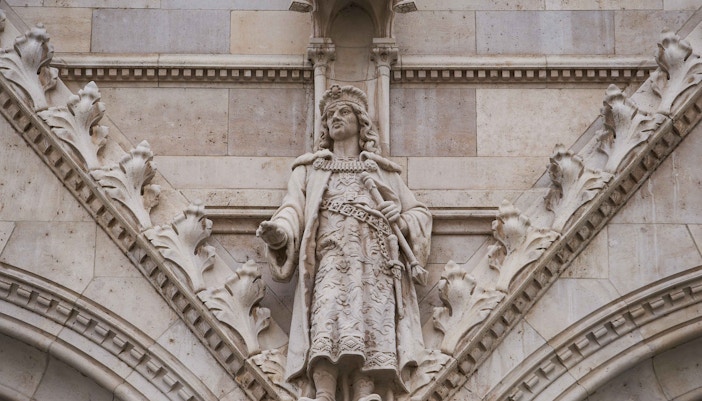
The Hungarian Parliament boasts 242 statues and sculptures.
Hungarian Parliament showcases 242 statues, including those of Hungarian rulers, military figures, and Transylvanian leaders. The façade features coats of arms, while inside, visitors are greeted by lions flanking the staircase, ornamental stairs, ceiling frescoes, and a bust of architect Imre Steindl. Additional statues honor historical figures like Árpád, Stephen I, and John Hunyadi.
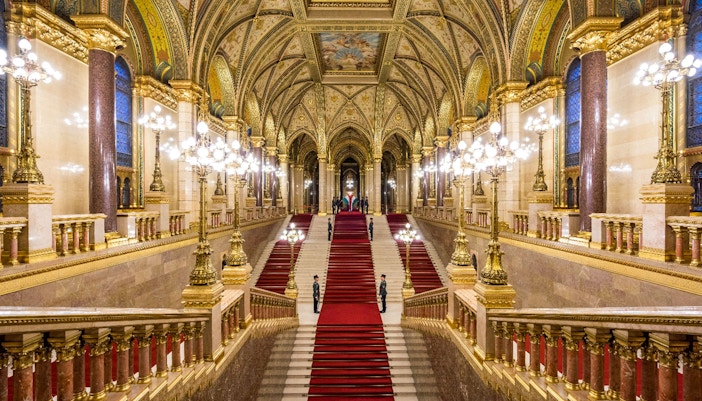
The building has deep symbolism attached to it.
Numbers played a significant role in the design of the the Hungarian Parliament. There are 365 stairs leading up to the dome, representing the days of the year. Additionally, the building boasts 10 courtyards, mirroring the administrative divisions of Hungary at the time of construction. These numerical details highlights the Parliament's connection to the Hungarian history.
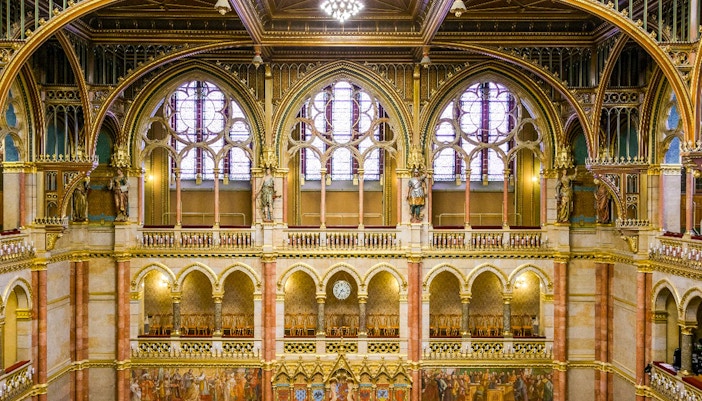
The Parliament Building had a unique climate control system.
The Hungarian Parliament building had an innovative heating and ventilation system. Upgraded over time, it still functions flawlessly. In winter, a boiler in a nearby structure pumps steam through pipes for heating. In summers from the 1930s to 1994, ice blocks were stored underground to cool the building. Architect Steindl apparently designed it this way to avoid adding unsightly chimneys atop the structure.
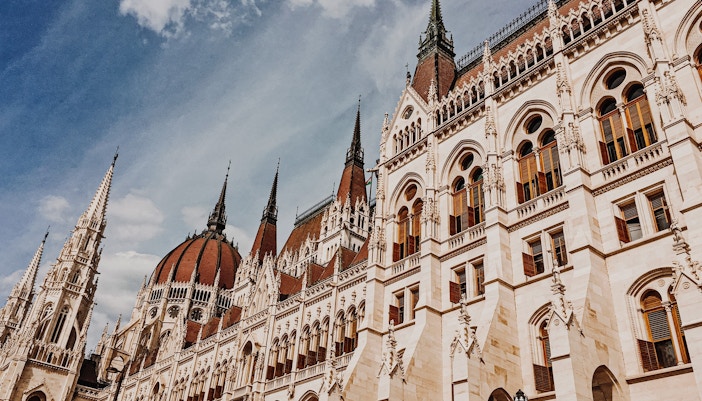
The height of the building holds a symbolic meaning.
The Hungarian Parliament's central dome reaches a height of precisely 96 meters (315 feet). This seemingly arbitrary number holds a deep symbolic meaning. It marks the year 896 AD when the conquering Magyars arrived in the Carpathian Basin, laying the foundation for the Hungarian state.
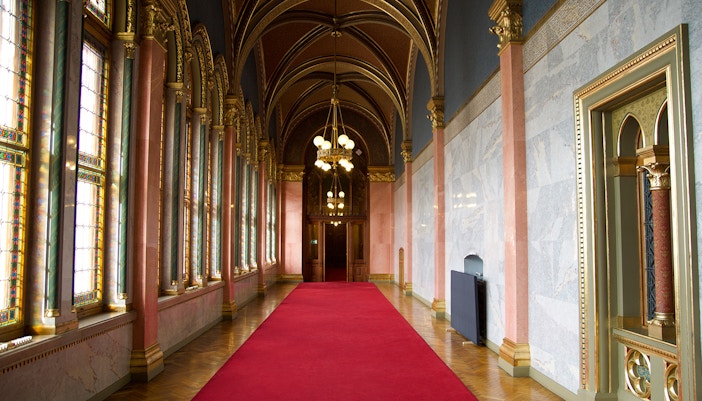
The building has over a kilometer of carpet coverage.
If you're wondering about the sheer scale of the Hungarian Parliament, consider this: The building's interior boasts over 1 kilometer (0.6 miles) of carpet! These carpets, meticulously woven by Hungarian artisans, add to the opulent atmosphere and showcase another facet of Hungarian craftsmanship.
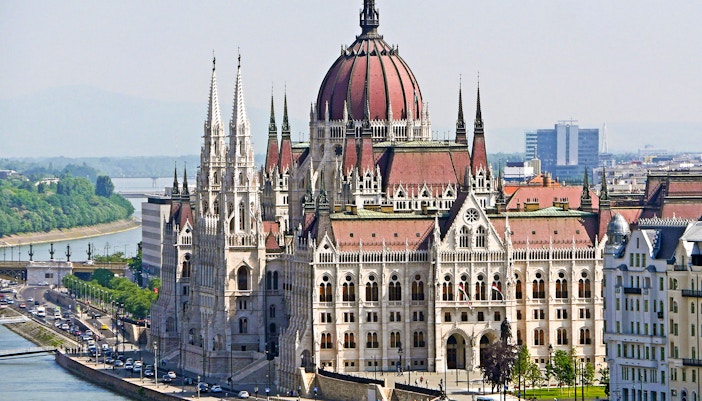
The Hungarian parliament building was a blind architect's vision.
Imre Steindl, the architect who designed the Parliament building, sadly suffered from deteriorating eyesight throughout the construction. Despite this challenge, Steindl's vision and meticulous planning ensured the building's completion in 1904, which was two years after he died.
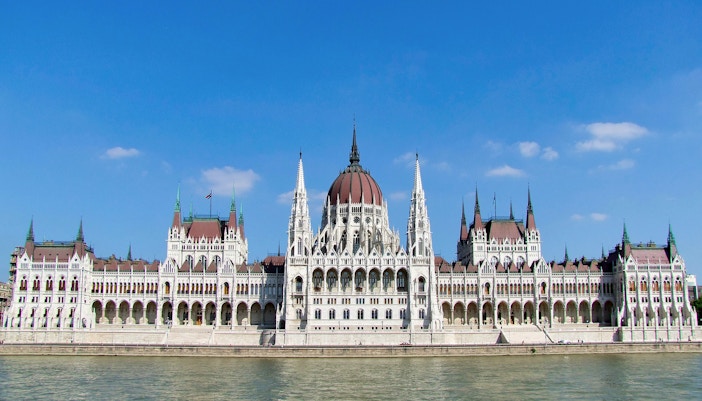
The Hungarian Parliament once had a Communist emblem.
Following World War II and the establishment of a communist regime in Hungary, a red star was added to the top of the Hungarian Parliament's dome in 1949. This addition, seen as a symbol of Soviet influence, proved controversial. With the fall of communism in 1989, the red star was removed, and the dome returned to its original design.
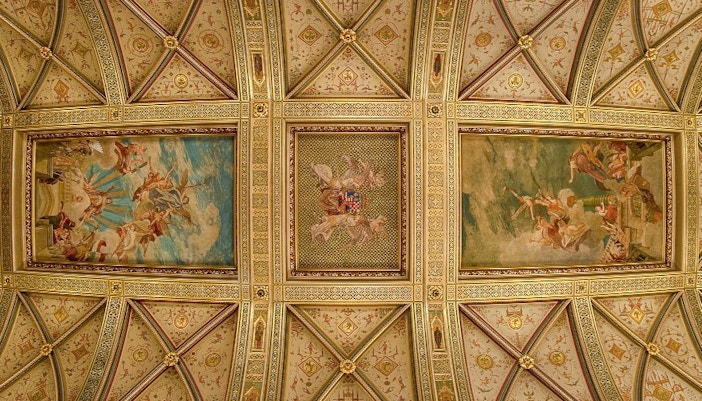
The Parliament building is a treasure trove of art and crafts.
Beyond its architectural grandeur, the Hungarian Parliament is a treasure trove of Hungarian art and craftsmanship. The interior of the building is decorated with frescoes, sculptures, intricate stained glass windows, and tapestries created by Hungarian artists. These works of art not only enhance the building's beauty but also showcase Hungary's artistic heritage.
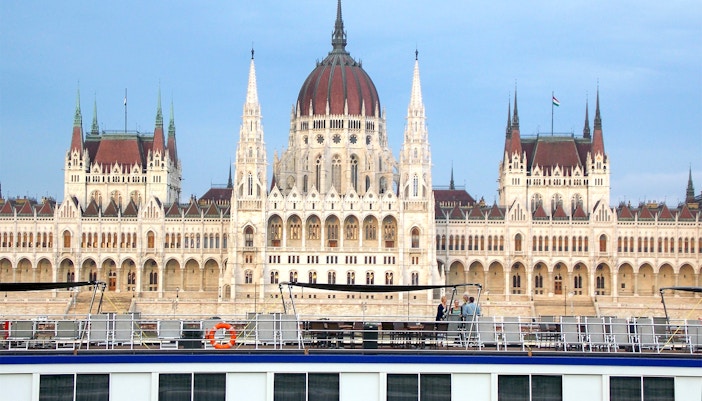
The building has two identical chambers.
The Hungarian Parliament boasts two identical chambers on either side of the central dome. Originally, both served as legislative halls, one for the Upper House and one for the Lower House. Following the country's shift to a unicameral system, one chamber is still used for parliamentary sessions, while the other serves for ceremonies, conferences, and even guided tours.
Frequently asked questions about Hungarian Parliament
The total length of the facade of the Hungarian Parliament is approximately 268 meters (879 feet). The total floor space is around 18,000 square meters.
The Hungarian Parliament covers an area of approximately 18,000 square meters (193,750 square feet).
The Hungarian Parliament building contains 691 rooms, including offices, meeting chambers, and ceremonial spaces.
The Hungarian Parliament building was completed in 1904, making it over a century old.
Architect Imre Steindl designed the Hungarian Parliament and oversaw its construction from 1885 to 1902. Unfortunately, Steindl went blind and died in 1902 before the Budapest Parliament building was completed in 1904.
The central dome of the Hungarian Parliament rises to a height of 96 meters (315 feet) above ground level.
The Hungarian Parliament features 29 staircases, facilitating movement throughout the expansive building and adding to its architectural elegance.
The roof of the Hungarian Parliament is adorned with 88 turrets, adding to its majestic appearance.
The Hungarian Parliament includes several unique features, including hidden passages, secret chambers, and intricate carvings, which contribute to its allure and mystery.
The Hungarian Parliament boasts an impressive collection of over 40,000 works of art, including paintings, sculptures, and decorative elements.
