Quick Information

RECOMMENDED DURATION

1 hour

VISITORS PER YEAR

700000

EXPECTED WAIT TIME - STANDARD

30-60 mins (Peak), 0-30 mins (Off Peak)

EXPECTED WAIT TIME - SKIP THE LINE

0-30 mins (Peak), 0-30 mins (Off Peak)

UNESCO YEAR

1987

Plan your visit

Did you know?

The Hungarian Parliament seamlessly blends architectural styles, incorporating elements of Gothic Revival, Baroque, and Renaissance design. This fusion creates a visually captivating structure that stands as an iconic symbol of Hungary.

Constructed in the early 20th century, the Parliament was ahead of its time, featuring modern heating and ventilation systems. Remarkably, these innovations from the past continue to function efficiently to this day.

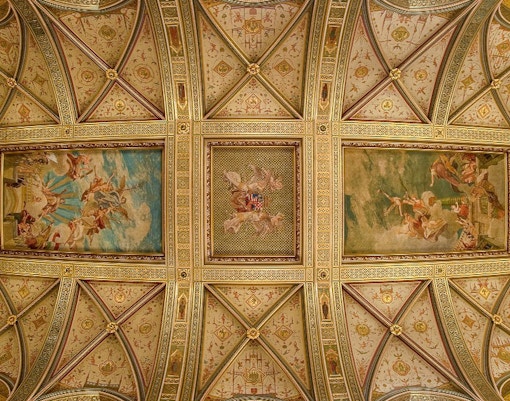
The Hungarian Parliament boasts approximately 40 kilograms of 22-carat gold adorning its 691 rooms. The lavish use of gold adds to the building's regal and luxurious ambiance.

What to see at the Hungarian Parliament building in Budapest?
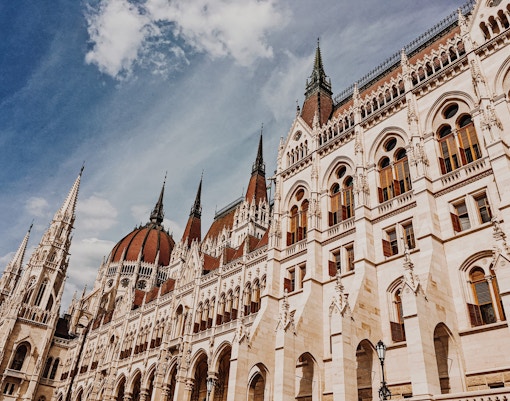
Architecture and design
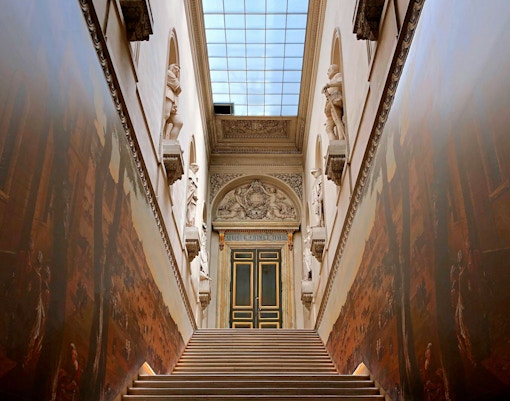
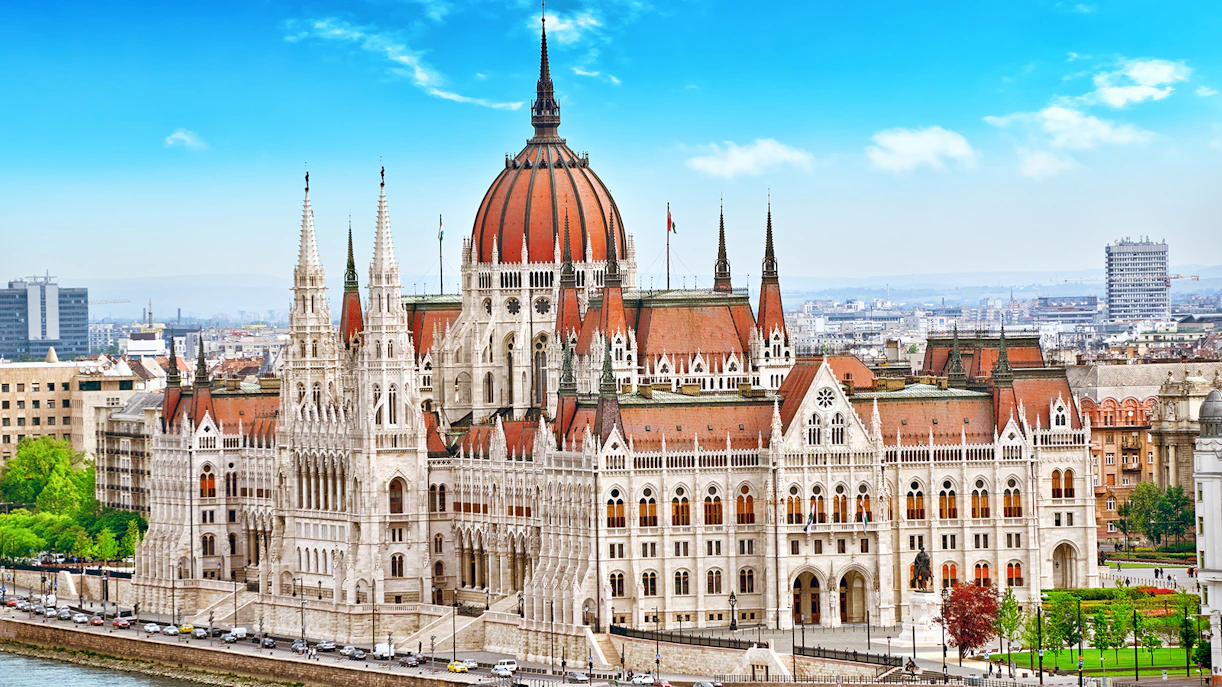
The Hungarian Parliament is a stunning blend of architectural styles, from Gothic Revival to Baroque and Renaissance Revival. The entire building is a masterpiece with towering spires, pointed arches, and intricate details.

The City Side Staircase XVII

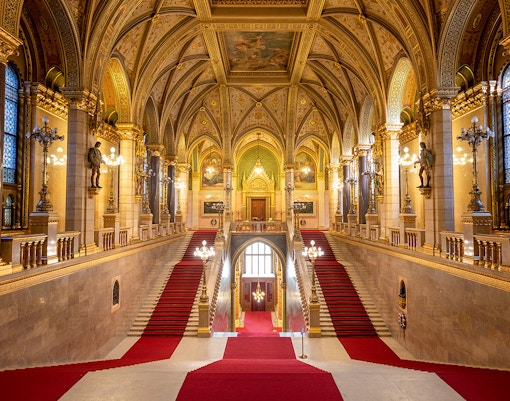
Your tour starts by ascending the ornate City Side Staircase XVII, adorned with gold-plated decorations and framed by statues and stained glass windows. Enjoy a panoramic view of Kossuth Square from this urban corridor.

The Grand Stairway

Continue your exploration with a visit to the Grand Stairway, where 96 red carpeted stairs lead you to the Dome Hall. Admire the stunning frescoes by master painter Károly Lotz adorning the ceiling and the exquisite stained glass windows along the way.

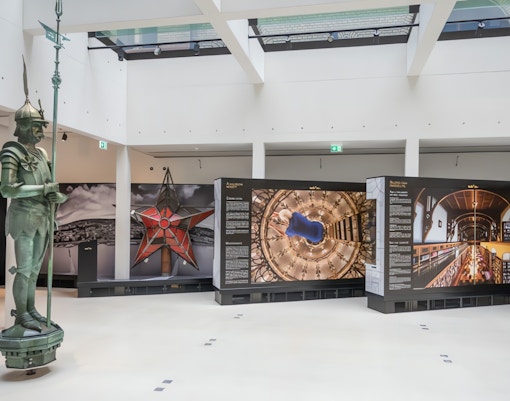
The Béla Neÿ Hall

Uncover fascinating insights into the Parliament's history and construction at the Béla Neÿ Hall. From a scale model of the building to behind-the-scenes glimpses on interactive screens, the exhibition offers a journey through time and technology.

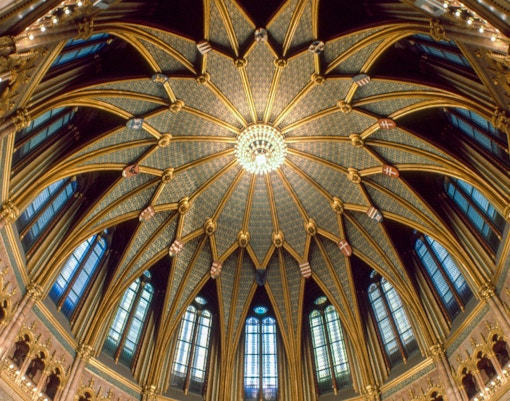
The Dome Hall

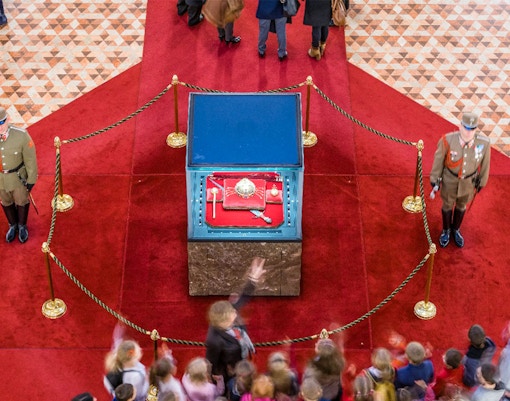
Step into the symbolic heart of Hungary, the Dome Hall, where the Hungarian Holy Crown and Coronation Insignia are safeguarded around the clock by the Crown Guard of the Hungarian Armed Forces. It's a poignant reminder of Hungary's rich heritage and enduring traditions.

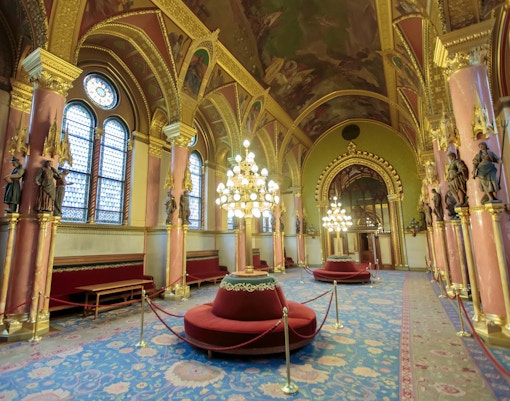
The Lounge of the Chamber of Peers

Marvel at the pyro granite sculptures and the largest hand-knotted carpet in Europe as you explore the Lounge of the Chamber of Peers. The room exudes elegance and grandeur, offering a glimpse into Hungary's aristocratic past.

Paintings

The Parliament Building houses a notable collection of paintings depicting various historical events, landscapes, and portraits of important figures. Gyula Benczúr, Bertalan Székely, Bertalan Székely, Tivadar Kosztka Csontváry are some of the artists whose works are at the Parliament.

Budapest Parliament library

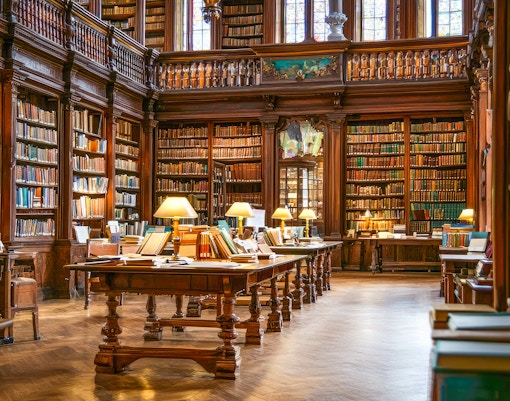
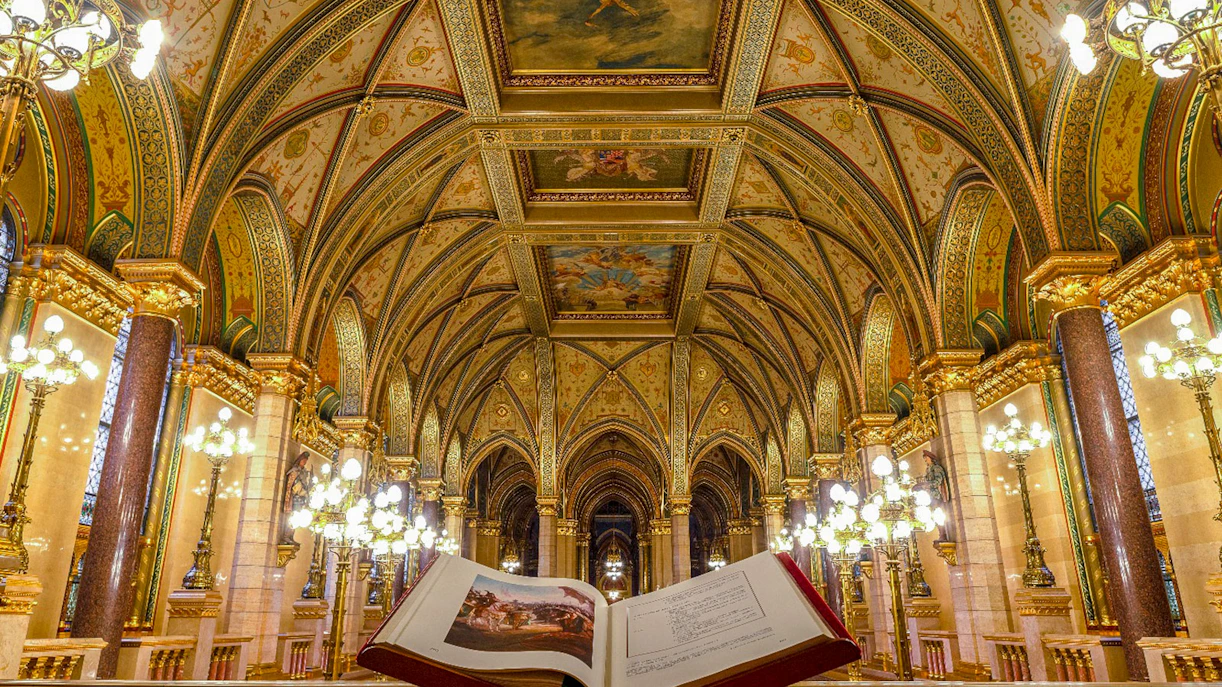
The Hungarian Parliament Library, nestled within Budapest’s iconic Parliament building, houses one of Hungary's richest collections of legal, historical, and parliamentary materials. With neo-Gothic interiors and centuries-old archives, it’s a haven for researchers and history lovers alike in a grand architectural setting.

The Chamber of Peers

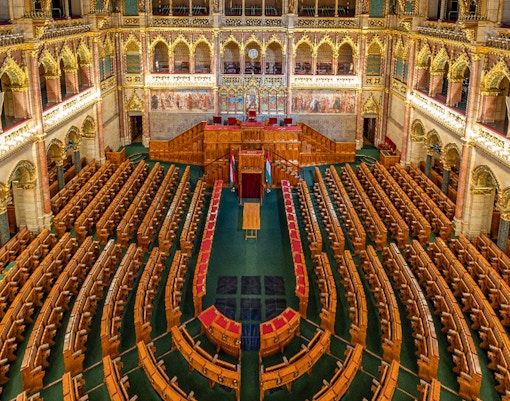
Marvel at the former Chamber of Peers, now a venue for conferences and meetings. Admire the gold-plated decorations, oak panels, and historical murals that adorn this splendid hall.

Sculptures & statues

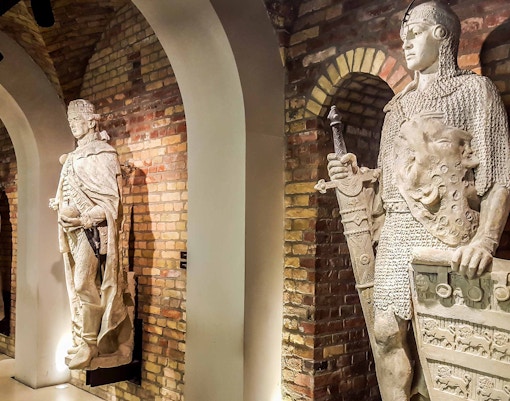
Admire the numerous sculptures and statues within the Parliament building, depicting Hungarian monarchs, political leaders, and allegorical figures. Don’t miss the iconic statues of King Saint Stephen and Francis II Rákóczi in the courtyard.

Stained glass windows

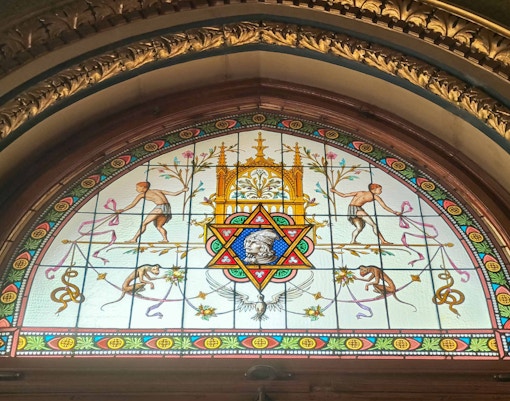
The Budapest Parliament building is home to some of the most beautiful stained glass paintings in the world. The 100+ glass windows were created by Miksa Roth, a renowned Hungarian artist, depicting different scenes from Hungarian history and mythology.

The Crown Jewels

No visit to the Hungarian Parliament is complete without seeing the Crown Jewels. Marvel at the Holy Crown of Hungary, the Coronation Sword, and the Orb, housed in the Dome Hall and guarded with utmost reverence.

History of the Hungarian Parliament

1867: Diet of Hungary (the governing body) decides to build a new parliament building to symbolize sovereignty and a national identity.

1885: Construction of the Hungarian Parliament building begins, designed by Imre Steindl in neo-Gothic style.

1896: Hungarian Parliament is inaugurated on the 1,000th anniversary of the country's founding.

1904: Hungarian Parliament building is completed, posthumously for Imre Steindl.

1944: Hungarian Parliament building faces tumultuous periods and gets damaged during World War II.

1945: Hungarian Parliament building is restored.

1989: Hungary embraces democracy and the Hungarian Parliament becomes the seat of the newly-reformed Hungarian National Assembly.

Present: Hungarian Parliament building is a popular tourist destination and a symbol of Hungarian political and cultural heritage.

Hungarian Parliament history

Who built the Hungarian Parliament building?

About Hungarian Parliament
  • The iconic Hungarian Parliament Building, designed by Hungarian architect Imre Steindl, showcases a remarkable blend of the Gothic Revival, Baroque, and Renaissance Revival architectural styles. Spanning 18 years from 1885 to 1904, its construction involved the intricate craftsmanship of 691 rooms, 29 staircases, and 10 courtyards.
  • Steindl's passion for Gothic design is evident throughout the structure, a testament to his architectural prowess. Beyond this masterpiece, Steindl also left his mark on Budapest with his designs for notable landmarks such as the Hungarian National Museum and the Hungarian Academy of Sciences.
  • Tragically, Steindl went blind in 1902 and passed away before witnessing the completion and grand opening of the Parliament building in 1904. Nevertheless, his legacy endures through this magnificent Budapest Parliament building, which stands as a symbol of Hungary's rich cultural heritage and is revered nationally and internationally.
Hungarian Parliament facts

Budapest Parliament architecture

budapest parliament architecture
  • The architecture of the Hungarian Parliament seamlessly blends Gothic Revival, Baroque, and Renaissance Revival styles, boasting intricate details and ornate decorations at every turn. Its symmetrical facade commands attention from afar and is adorned with countless spires, arches, and statues, adding to the building's sheer beauty.
  • At 268 feet tall with 691 rooms, it is the third-largest parliament building in the world, after the Palace of Westminster in London and the Reichstag Building in Berlin.
  • The interior is equally awe-inspiring, featuring opulent chambers, sweeping staircases, and dazzling gold accents that reflect Hungary's grandeur and heritage. Don't miss the stunning dome, which offers panoramic views of the cityscape and the shimmering waters of the Danube. Whether you're a history buff, an architecture enthusiast, or simply in search of Instagram-worthy shots, the Hungarian Parliament promises a visual feast like no other.
Hungarian Parliament building photos

Frequently asked questions about the Hungarian Parliament building

Absolutely! Visiting the Hungarian Parliament offers a captivating glimpse into Hungary's political history, architectural grandeur, and cultural heritage. The guided tours of the Hungarian Parliament provide a comprehensive understanding of this iconic building in Budapest.